Common problems with event flowers at Bickley halls
Posted on 07/10/2026
If you are planning flowers for a function at Bickley Halls, you probably want one thing above all: for the room to look polished without any last-minute drama. In reality, common problems with event flowers at Bickley halls often show up in the small details - a bouquet that wilts too soon, an arrangement that blocks sightlines, colours that fight with the venue lighting, or delivery timing that leaves everyone slightly stressed. It sounds simple until the setup starts, and then, well, the little things matter a lot.
This guide breaks down the practical issues people run into, why they happen, and how to avoid them. Whether you are organising a wedding breakfast, a private dinner, a corporate evening, or a memorial gathering, the aim is the same: flowers that look right, last well, and fit the room. We will cover planning, sizing, timing, best practices, and the kinds of mistakes that tend to sneak up on people. Truth be told, flowers can make or break the feel of a room.
Why Common problems with event flowers at Bickley halls Matters
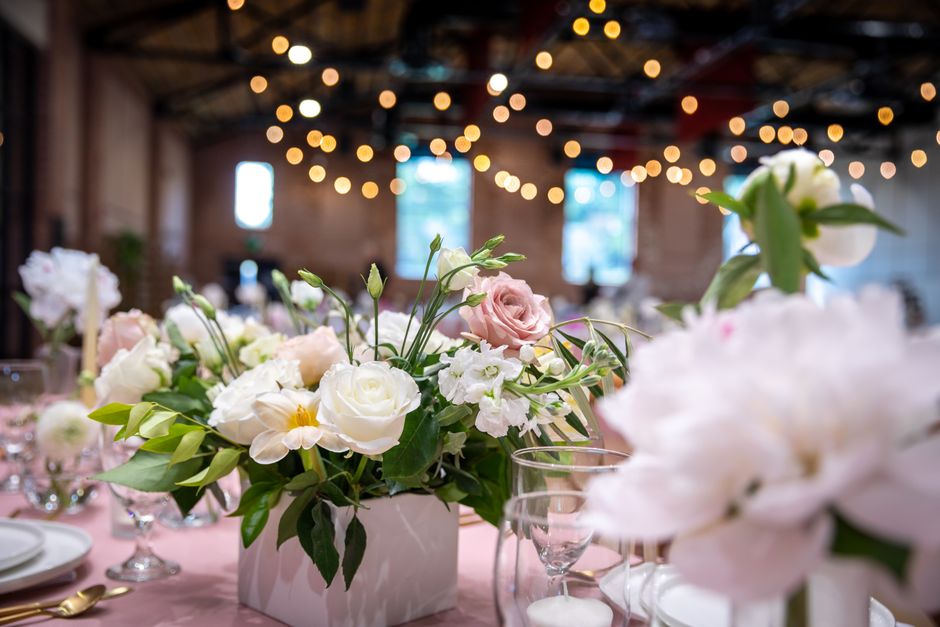
Event flowers are not just decoration. At a venue like Bickley Halls, they influence first impressions, photography, guest comfort, and the overall mood of the room. If the flowers are too tall, too fragrant, or simply too late, the whole event can feel less settled than it should. That is especially noticeable when guests arrive and everything should feel calm, ready, and welcoming. You can almost sense it in the room - the soft rustle of stems, the scent in the air, the awkward pause when a display does not quite fit where it was meant to go.
The problems matter because they are rarely isolated. A delivery delay can lead to rushed placement. A poor flower choice can create overheating in a warm function room. A wrong colour palette can clash with linens, tableware, or evening lighting. And if you are balancing multiple suppliers, the flowers often become the part that exposes weak planning everywhere else.
For families and couples, this can be emotional. For corporate hosts, it can affect brand presentation. For memorial services, it can feel especially sensitive. In other words, these are not tiny styling issues. They affect how the whole event is experienced, and people do notice. Perhaps more than planners sometimes expect.
Expert summary: most flower issues at event venues come down to four things: timing, scale, suitability, and communication. If you get those right, the rest becomes much easier.
How Common problems with event flowers at Bickley halls Works
Planning flowers for an event venue is part design work, part logistics, and part common sense. The process usually starts with the type of event, then the room layout, then the budget, and finally the practicalities of delivery and installation. Problems appear when one of those steps is rushed or guessed.
Here is how it normally works in practice. A florist or planner will consider the event style, the table shapes, the guest count, the lighting, and whether the arrangements need to be moved from one part of the venue to another. For example, ceremony flowers may later be reused on reception tables. That sounds efficient - and it is - but only if the designs can survive a second placement without looking tired by 7pm.
At venues with mixed room uses, the setup can be more complicated than it looks from the outside. A long banquet table needs different proportions from round tables. A formal dinner needs different styling from a relaxed celebration. And if the room has strong natural light in the afternoon but warmer artificial light later on, colour perception can change throughout the event. Same flowers, different effect. Slightly annoying, but very real.
A good florist will also factor in transport, water supply, vase stability, and the time available for setting up. If those details are missed, the flowers may still arrive - but not in a condition that supports the event properly. That is why planning is not just about choosing blooms. It is about matching blooms to the room and the timeline.
Key Benefits and Practical Advantages
When event flowers are planned properly, the benefits are immediate and easy to see. The room feels finished. Guests feel cared for. Photos look more elegant. And the organiser spends less time firefighting odd little issues on the day. Which, let's face it, is the real luxury at any event.
- Better atmosphere: flowers soften a space and make it feel intentional rather than bare.
- Improved guest experience: well-placed arrangements can guide movement and create a welcoming first impression.
- Stronger photographs: balanced florals frame key moments without stealing the show.
- Cleaner event flow: designs that fit the venue reduce last-minute rearranging.
- More value from the budget: the right flower choice lasts longer and looks better for longer.
There is also a practical benefit that gets overlooked: flowers can help unify mixed decor. If the table linen, signage, candles, and backdrop are all slightly different, a coherent floral scheme can quietly pull the whole thing together. That is especially useful in busy event spaces, where the room is doing a lot of jobs at once.
For larger occasions, flower planning also helps with supplier coordination. Once the colour palette and arrangement sizes are fixed, it becomes easier to brief photographers, stylists, and venue teams. Less guessing. Fewer surprises. A calmer day. Nice, really.
Who This Is For and When It Makes Sense
This topic matters to a wide range of people, not just brides and grooms. If you are hosting any event at Bickley Halls and want the floral side to feel polished rather than patchy, this applies to you.
- Wedding couples who need ceremony and reception flowers to work in different parts of the venue.
- Event planners who want dependable setups and fewer surprises on the day.
- Corporate organisers who need branding, colour consistency, and a professional finish.
- Families planning memorials where sensitivity, timing, and appropriate flower choice matter deeply.
- Private hosts organising anniversaries, milestone birthdays, engagement parties, and similar gatherings.
It makes sense to think about common flower problems early if your event has any of the following:
- a tight turnaround between supplier delivery and guest arrival
- multiple room changes during the event
- strongly themed decor or colour restrictions
- tables that must stay clear for dining or speeches
- fragile flowers needed during warm weather
If any of that sounds familiar, you are already in the right place. Better to solve the likely issues now than stand there on the day thinking, "Hmm, that vase is taller than the cake, which was not the plan."
Step-by-Step Guidance
A sensible flower plan is usually quite straightforward once you break it down. Here is a practical approach that helps avoid the most common mistakes.
- Start with the event purpose. A wedding, funeral, corporate dinner, and birthday celebration all need different tones and levels of formality.
- Measure the space, not just the table. Think about aisles, entrances, podiums, registry areas, cake tables, and anywhere people will stand for photos.
- Choose flowers that suit the room temperature and duration. Delicate blooms can look beautiful but may not cope well if the room is warm or the event runs long.
- Match scale to the setting. Large rooms need enough visual weight; smaller rooms need restraint so the florals do not feel crowded.
- Confirm timings early. Delivery windows, setup access, and breakdown arrangements should all be agreed before the event week.
- Plan for reuse where sensible. Ceremony arrangements may be repurposed, but only if the structure allows it.
- Check visibility and movement. Guests should be able to talk across tables without peering through a hedge of lilies. Charming in theory, less charming in practice.
- Keep a backup option for weather or delay issues. Even indoors, warm spells and traffic can affect freshness and timing.
A useful habit is to walk through the venue plan as if you were a guest arriving 15 minutes early, then as if you were carrying a tray, then as if you were taking a photo. That quickly reveals where flowers should go - and where they definitely should not.
Expert Tips for Better Results
In our experience, the best event flower outcomes come from small, disciplined choices rather than flashy ones. The details are what protect the overall look.
1. Prioritise structure before beauty
The arrangement has to stand, travel, and fit the venue before it can look beautiful. Choose mechanics and containers that suit the event setting. A pretty design that wobbles on a table is still a problem.
2. Use fewer flower types when the room is busy
If the venue already has strong architectural features, simple floral styling often works better than highly mixed designs. Clean lines can feel more elegant than a crowded combination of every bloom under the sun.
3. Think about colour in the actual light
Florals can look soft and neutral by daylight but stronger or darker under evening lights. If possible, review colour choices against the venue's actual lighting conditions, not just a phone screen at home.
4. Ask where the flowers will be seen from
A lot of disappointing arrangements were chosen from only one angle. Guests see flowers from the side, from the doorway, from seated positions, and sometimes from above in photos. That changes everything.
5. Build in freshness margins
Flowers should usually arrive with enough freshness to cover setup time and the event itself. If you are using especially delicate stems, don't leave yourself with zero margin. That way lies stress, and nobody wants that before the speeches.
One practical trick: if you are unsure, ask for a design that balances focal flowers with sturdier supporting blooms. That gives you more texture, a longer life, and fewer panic moments if the room gets warmer than expected.
Common Mistakes to Avoid
Many event flower issues are predictable. The tricky part is that they often seem minor until they show up in the room.
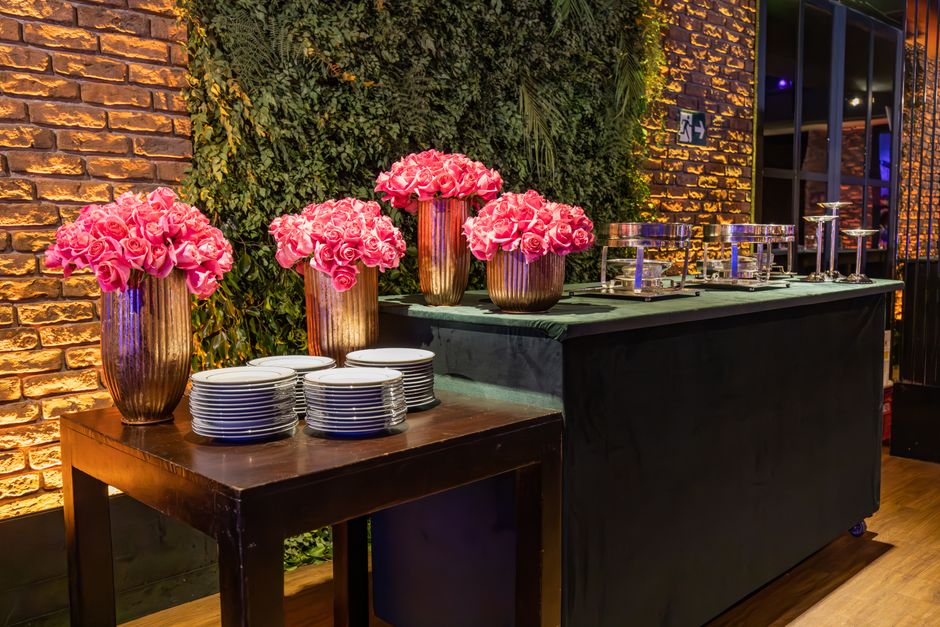
- Ordering without knowing the room size: a small arrangement in a large hall can vanish visually, while oversized pieces can make the room feel cramped.
- Ignoring fragrance levels: strong scents can overwhelm guests, especially in enclosed spaces.
- Forgetting sightlines: tall centrepieces can block conversation and ruin table photos.
- Choosing flowers only by colour: some blooms are more durable than others, and not every pretty stem is event-friendly.
- Leaving delivery to the last minute: traffic, access issues, and setup delays are common enough. Best not to tempt fate.
- Not confirming the venue's rules: some rooms have limitations around open water, candles, petals, tape, or floor-standing pieces.
- Expecting one arrangement style to do everything: ceremony florals, table pieces, and entrance displays usually have different jobs.
Another frequent issue is emotional over-ordering. People understandably want the room to feel special, but too many competing arrangements can make the styling look busy rather than premium. Less can be more. Not always, but often enough to matter.
Tools, Resources and Recommendations
You do not need a huge toolkit to plan event flowers well, but a few simple resources make a real difference.
| Tool or resource | Why it helps | Best used for |
|---|---|---|
| Venue floor plan | Shows table positions, walkways, entrances, and focal points | Placement and scale decisions |
| Colour swatches or fabric samples | Helps match flowers to linens, suits, decor, and lighting | Palette planning |
| Photo references | Clarifies the look you actually want, not just the words for it | Briefing florists or stylists |
| Set-up schedule | Reduces confusion on the day and helps coordinate suppliers | Delivery and installation timing |
| Flower care guidance | Improves vase life and freshness before and during the event | Last-mile handling |
If you are comparing flower styles, it can also help to look at broader arrangements first. For example, some events need compact table pieces, while others suit larger statement designs. If you are browsing options, the venue-friendly approach often starts with versatile ranges such as florist choice arrangements or practical mixed bouquets like mixed colours when a little flexibility is welcome.
For event planners who need a dependable delivery setup, the wider delivery options on delivery information and flower care guidance can be useful background reading before the date gets close. Small details, yes - but they save headaches.
Law, Compliance, Standards, or Best Practice
For flowers at an event venue, "compliance" is usually less about complex legal paperwork and more about working within venue rules, reasonable health and safety expectations, and standard good practice. That said, it should not be brushed aside. Spilled water, loose wiring from added lighting, blocked exits, or unstable floor arrangements can all create avoidable problems.
In the UK, venues generally expect suppliers and organisers to avoid obstructing access routes, to keep displays stable, and to respect any restrictions on flames, adhesives, or hanging installations. If the event involves public access, disability access, or emergency exits, flower placement should never compromise safe movement. That is just sensible planning, really.
Best practice also includes:
- confirming setup and collection times with the venue
- checking whether open vessels are allowed on tables or near equipment
- avoiding heavily scented flowers where guests may be sensitive
- ensuring displays are stable enough for busy foot traffic
- keeping petals, foliage, and packaging clear of walkways
If the event is corporate, memorial, or wedding-related, the standards of presentation are also part of the expectation. A florist should understand these norms without needing a long lecture. And if they do not, that is a clue.
Options, Methods, or Comparison Table
Choosing the right floral approach depends on the event style, the room, and how much movement the flowers need to survive. Here is a simple comparison that helps narrow it down.
| Method | Best for | Main advantage | Typical drawback |
|---|---|---|---|
| Low table arrangements | Dining events, weddings, and networking dinners | Does not block conversation | May need more pieces in a larger room |
| Statement entrance pieces | First impressions and photo moments | Creates instant impact | Can feel excessive if overused |
| Repurposable ceremony flowers | Wedding events and multi-part celebrations | Better value and less waste | Requires careful planning for reuse |
| Compact memorial designs | Services and remembrance settings | Respectful and unobtrusive | May not suit a very large venue alone |
| Mixed seasonal flowers | Flexible styling with a natural feel | Usually good value and freshness | Colour matching can be trickier |
For most events at Bickley Halls, the safest route is a combination approach: one or two focal pieces, plus smaller supporting arrangements. That gives the room rhythm without clutter. It also keeps the budget more under control, which people appreciate once the numbers are on the page.
If the occasion is wedding-related, the product range on wedding flowers in Bickley can provide a useful reference point for styles that translate well across ceremony and reception spaces.
Case Study or Real-World Example
Here is a realistic example based on a common planning scenario. A couple books a hall for an early evening reception and wants pale, elegant flowers on the tables, plus a fuller display near the entrance. The first idea is to use tall centrepieces throughout, because they look impressive in photos. Then someone notices the tables are not especially large and guests will need space for dining and conversation. Good catch.
The plan changes to low arrangements on guest tables, one substantial statement piece at the entrance, and a few smaller accents near the gift table and cake area. The flowers are chosen in a soft palette that still reads clearly under warmer evening lighting. Delivery is scheduled with enough time for water checks and final placement. No drama. Well, only the usual little flurry five minutes before doors open.
What went right here? The organiser focused on the room first, then the flowers. That is the key shift. Instead of asking, "What looks nicest on its own?", they asked, "What works best in this specific setting?" That one question usually saves a lot of trouble.
A different scenario, sadly more common, is when memorial flowers arrive beautifully arranged but too late for the service window, or with containers that are too large for the available area. The lesson is the same: event flowers are not only about style. Timing and fit matter just as much, sometimes more.
Practical Checklist
Use this quick checklist before confirming your flowers. It is simple, but it catches a lot.
- Have you measured the tables and main display areas?
- Do the flower sizes suit the room and guest count?
- Will the arrangements block conversation or sightlines?
- Are the flower choices suitable for the room temperature and event length?
- Have delivery and setup times been confirmed clearly?
- Does the venue allow the chosen containers, water levels, or floor pieces?
- Have you checked how the flowers will look in both daylight and evening light?
- Is there a plan to reuse or move arrangements if needed?
- Are the colours coordinated with linen, signage, and decor?
- Do you have a backup plan for delays or damaged stems?
Quick reminder: if a flower choice looks stunning but creates friction on the day, it is probably the wrong choice. Beautiful and practical is the sweet spot. Always has been.
Get a free quote today and see how much you can save.
Conclusion
Most of the common problems with event flowers at Bickley halls are avoidable once you treat flowers as part of the event logistics, not just the decor. That means thinking about size, timing, scent, room layout, and how the arrangement will actually be used during the day. A little planning goes a very long way.
When flowers are chosen well, they do more than decorate. They settle the room, support the occasion, and help the whole event feel cared for. And that feeling stays with people, even after the last glass is cleared away. If you are weighing up your options now, trust the practical details as much as the pretty ones. That balance is where the best results live.
In the end, the right flowers should make the day feel easier, warmer, and more complete. That is the goal, really - calm, beauty, and a room that feels just right.
Frequently Asked Questions
What are the most common problems with event flowers at Bickley halls?
The most common issues are poor timing, flowers that are too large or too small for the room, colour clashes with the venue decor, strong scents, and arrangements that do not last for the full event. Delivery and setup mistakes also happen more often than people expect.
How far in advance should I plan event flowers?
For a standard event, start planning several weeks ahead if you can, and earlier for weddings or memorials. That gives time to agree the palette, confirm the venue layout, and sort any special requirements without rushing the decision.
What flowers last best for long events?
Hardier blooms and sturdy foliage usually cope better with longer events, especially in warm rooms. A florist can help choose varieties that hold shape well and still look fresh by the end of the day.
Should event flowers be tall or low?
It depends on the room and the table layout. Low arrangements work well where guests need to talk across tables, while taller pieces can suit entrances or larger display areas. For dining tables, low is often safer.
Can I reuse ceremony flowers at the reception?
Yes, often you can, but only if the designs are built for that. Reuse works best when the florist plans for easy moving, sturdy mechanics, and a second display location. Otherwise, it can become a bit of a scramble.
Why do event flowers sometimes look different in the venue than at home?
Lighting changes colour perception. Natural daylight, warm indoor lighting, and photography lighting can all affect how flowers appear. That is why palette checks should ideally happen with the venue setting in mind, not just under kitchen lights.
How do I avoid flowers blocking guests' views?
Choose low centrepieces for dining tables and keep tall designs away from conversation areas. If you are unsure, ask the florist to show the proposed height and width in relation to the table size. It is a small step that saves a lot of awkward leaning.
Are scented flowers a problem at events?
Sometimes, yes. Heavy fragrance can be lovely for a small bouquet but overwhelming in a packed room. If guests will be seated for a long time, lighter scents or less fragrant blooms may be a better fit.
What should I tell the florist before the event?
Share the venue name, room layout, guest count, event style, colour scheme, timings, and any access restrictions. The more practical detail you provide, the easier it is to avoid surprises later.
What if the venue has limited setup time?
Then the design needs to be simple, efficient, and easy to install. This is where pre-made arrangements, compact displays, and clear delivery planning really help. Tight access windows are manageable, but only if everyone knows the plan.
Do I need to think about health and safety for flower displays?
Yes. Flowers should not block exits, create trip hazards, or sit in unstable containers. Any water, wiring, or floor-standing arrangement needs to be positioned responsibly. It is standard good practice and part of looking after guests properly.
What is the safest choice if I am unsure what to order?
A flexible, florist-led arrangement is often the safest option, especially if you are not sure about the final room layout. That lets the florist use seasonal flowers and adjust the design to suit the event, rather than forcing a fixed idea into the space.